
Pygmy Corydoras Care Guide (Corydoras pygmaeus)
Pygmy corydoras are one of my favourite nano fish. They are tiny, they are busy, and unlike most corys they spend half their time swimming in a little school in the middle of the tank. I breed pygmy corys here in QLD, and this guide covers how to set up for them, feed them and keep them breeding.
What are pygmy corydoras?
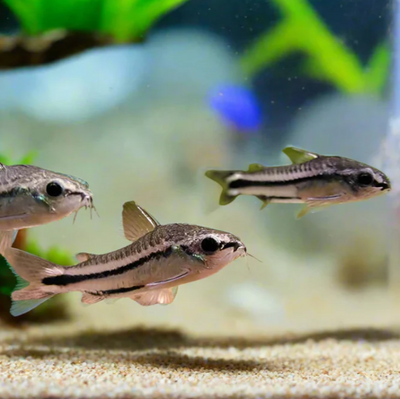
Pygmy corys (Corydoras pygmaeus) are a dwarf catfish from the Madeira River basin in Brazil. Adults reach only about 2 to 2.5cm, with females slightly larger than males. They have a silvery body with a dark stripe along the side.
Most corys stay on the bottom, but pygmy corys hover and school in the mid-water, then drop down to sift the sand for food. A group of them moving together is one of the most charming things you can keep in a nano tank.

Shop pygmy corydoras or browse all my corydoras
Tank setup
- Tank size: 30 litres or more for a small group. A longer tank is better than a tall one, as they use the bottom and middle of the tank.
- Group size: At least 8. They are very social and shy in small numbers. In a bigger group they are bolder and you will see them out much more.
- Temperature: 22 to 26 degrees Celsius. In most of Australia they will need a heater in winter.
- Substrate: Soft sand is best. Corys sift through the substrate with their barbels, and sharp gravel can wear them down.
- Filtration: A sponge filter is ideal. Gentle flow suits these small fish, and the fry will not get sucked in.
- Plants: A planted tank gives them cover and somewhere to rest. Mosses, stem plants and floating plants all work well.
- Water: They like clean, stable water. Regular small water changes matter more than chasing exact numbers.
Feeding
Pygmy corys have very small mouths, so food needs to be small too. A quality micro pellet or crushed sinking food makes a good staple. They love live and frozen food like microworms, baby brine shrimp and daphnia.
Make sure some food reaches the bottom. In a busy tank, faster fish can eat everything before the corys get a look in, so feed a little sinking food after the lights go down if you need to.
Breeding pygmy corydoras
A healthy, well-fed group will often breed on its own. A slightly cooler water change can help trigger spawning. The female holds a few eggs between her fins and sticks them on the glass, plants or decor, and she keeps going until she has laid a batch.
The eggs hatch in about 3 to 5 days. Adults and tankmates will eat eggs and fry, so to raise more, gently move the eggs to a separate container with an airstone. The fry are tiny, so start them on vinegar eels or microworms, then move on to baby brine shrimp. Keep their water clean, as cory fry are sensitive to dirty water.
Tankmates
Pygmy corys are peaceful and only suit other small, gentle fish. Good tankmates include:
- Cherry shrimp and other dwarf shrimp
- Endlers
- Small rasboras and other peaceful nano fish
- Snails
Avoid anything large enough to fit a pygmy cory in its mouth, and avoid boisterous fish that will outcompete them for food.
Want a bigger cory?
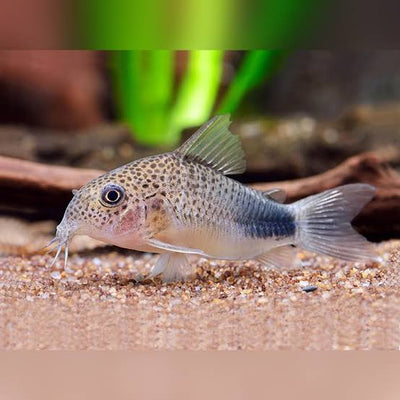
If you love corys but have a larger tank, Corydoras similis are a great choice. They are a small cory with soft grey and black patterning that can develop a violet tinge as they mature, and they are less common in the hobby.
Why I keep pygmy corys
Pygmy corys bring a nano tank to life. They are always busy, they get along with everything their size, and a school of them hovering together never gets old. If you have a planted nano tank with a sandy bottom, they are one of the best fish you can add.
If you have any questions about pygmy corydoras, email me at elyza@handpickedaquatics.com. Happy to help.
Cheers,
Elyza
Hand Picked Aquatics